Turning a design into a consistently produced garment is not a single step. Clothing production coordinates specifications, materials, patterns, samples, costing, cutting, sewing, customization, inspection, and delivery. Each decision affects fit, quality, price, and launch date.
Understanding this process prevents expensive revisions, improves supplier comparisons, and makes production planning more accurate. This guide explains the complete process and the questions to answer before choosing a manufacturing partner.
Choose the Right Clothing Production Model
Before requesting prices, decide how much development support you need. Manufacturers generally work through one or more of these models:
- Blank apparel customization: Select a ready-to-produce style and add printing, embroidery, labels, or packaging. This is often the fastest route for merchandise and market testing.
- Custom or full-package production: A manufacturer turns your specifications into a garment and may support patterns, sampling, sourcing, sewing, branding, and finishing. Confirm the exact scope in writing.
- CMT (cut, make, trim): The brand supplies approved patterns, fabric, trims, and instructions; the factory cuts and assembles the garments.
- Private-label production: Existing or adapted products are made under the buyer’s brand.
If you want to begin with proven styles, review the Aratex apparel product catalog. If your design requires a unique fit, construction, or fabric, ask about custom development instead.
The Apparel Manufacturing Process, Step by Step
1. Define the Product and Customer
A factory cannot quote accurately from a mood board alone. Start with a concise product brief that defines the garment category, target customer, intended fit, size range, fabric preference, colors, quantity, branding method, target price, delivery market, and required date.
A heavyweight streetwear T-shirt, breathable staff polo, and low-cost event shirt require different fabrics, construction, testing, and price points. State your priorities.
2. Prepare a Tech Pack for Clothing Production
A tech pack is the garment’s production blueprint. It reduces interpretation and gives the factory an objective standard for samples and bulk production. A useful tech pack normally includes:
- front and back technical drawings;
- points of measurement and tolerances;
- base size and size chart;
- fabric composition, weight, color, and finish;
- seam, stitch, and construction details;
- a bill of materials for labels, zippers, buttons, cords, and other trims;
- print or embroidery files, dimensions, colors, and placements;
- packaging, folding, and labeling requirements.
If the tech pack is incomplete, identify what remains undecided. Clarification is far cheaper before fabric is cut.
3. Select and Test Fabrics and Trims
Fabric shapes a garment’s appearance, comfort, durability, and cost. Beyond composition, compare GSM, structure, stretch and recovery, surface, opacity, shrinkage, colorfastness, pilling risk, and care requirements.
Ask for swatches or sample garments before approving bulk material. If you need certified inputs, distinguish between different standards. OEKO-TEX STANDARD 100 concerns textiles tested for harmful substances, while GOTS applies to certified organic textiles and includes environmental and social requirements across processing stages. A general claim such as “sustainable” or “organic” is not a substitute for valid documentation covering the relevant material or product.
4. Develop Patterns and Approve Samples
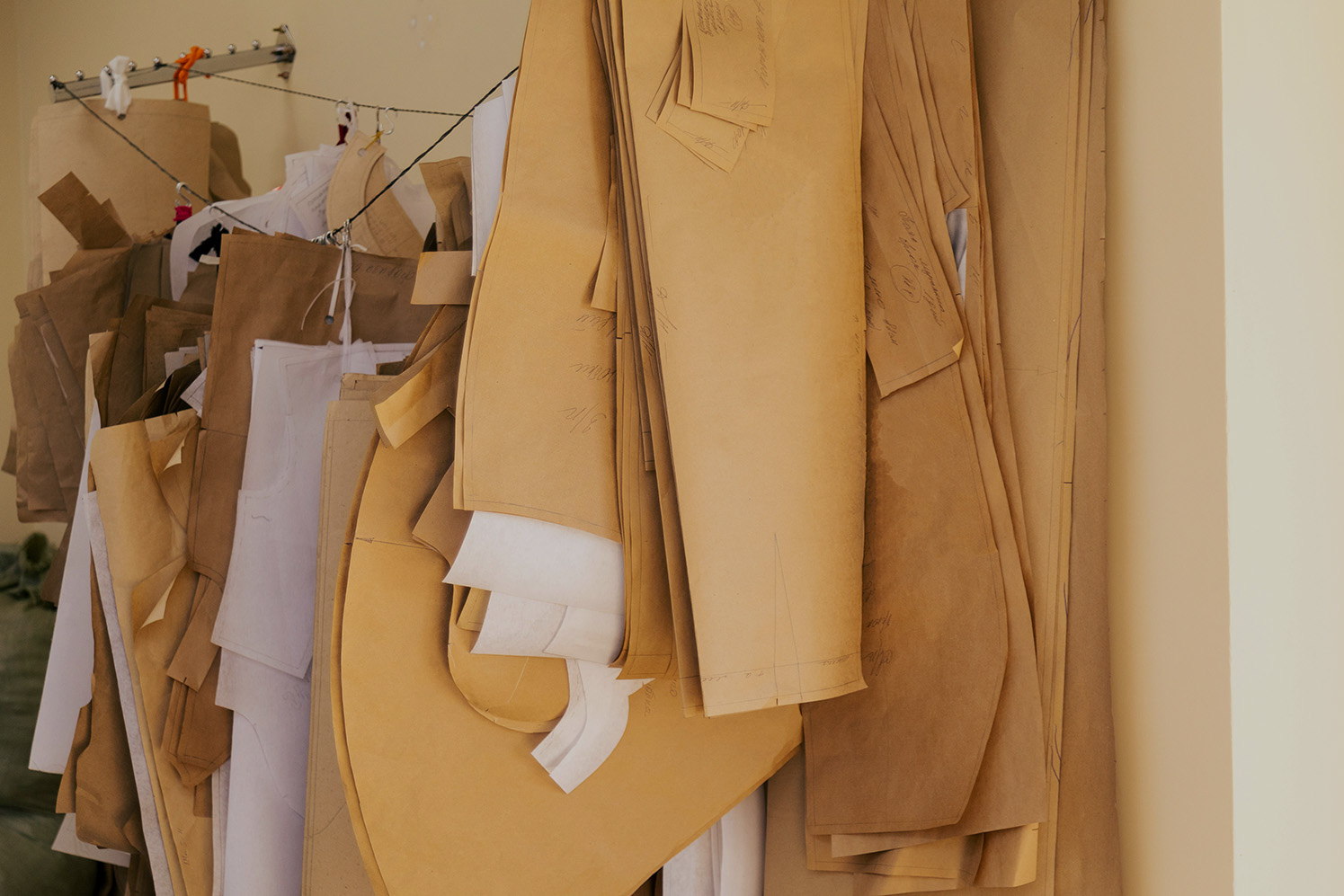
Patternmaking converts a design into pieces that create the intended fit. A prototype checks construction; a fit sample tests measurements, balance, ease, and silhouette. Complex styles may need several revisions.
Before bulk production, approve a pre-production sample made as closely as possible with the final fabric, trims, construction, colors, and branding. Record all comments in one document, update the tech pack, and keep the approved sample as the physical reference. Verbal approval is difficult to verify later.
5. Confirm Cost, MOQ, and Production Schedule
Clothing production costs depend on more than order quantity. Major variables include fabric consumption, material price, number of colors and sizes, construction complexity, specialized machinery, print or embroidery coverage, labels, packaging, testing, wastage, and shipping.
Request a quotation that clearly states:
- unit price and quantity basis;
- sample and development charges;
- what materials, trims, branding, and packaging are included;
- payment terms;
- estimated production lead time and when it begins;
- shipping terms and whether freight, duties, or taxes are excluded.
MOQ—the minimum order quantity—may apply per style, color, or fabric rather than to the total order. Confirm that distinction before planning a wide color range.
6. Pre-Production Planning, Cutting, and Sewing
Once the final sample, order details, and materials are approved, the manufacturer prepares the production plan. Fabric may be inspected, relaxed, and laid before pattern pieces are arranged for efficient cutting. Bundles then move through a sequence of sewing operations.
Consistency depends on approved patterns, tolerances, machine settings, operator instructions, and a reference sample. Late changes create delays and avoidable costs.
7. Printing, Embroidery, Labels, and Finishing
Match customization to the design, fabric, quantity, and use. Screen printing suits repeated artwork and larger runs; DTF supports detailed multicolor graphics and flexible quantities; embroidery is textured and durable but may not suit fine details or lightweight fabrics.
Approve the actual artwork size and placement, not only a digital mock-up. Confirm color references, backing materials, wash performance, and placement tolerances. Neck labels, care labels, size labels, hangtags, and packaging must also match the destination market. For example, textiles marketed in the EU are subject to fibre-composition labelling rules explained by the European Commission.
8. Apparel Quality Control and Delivery
Quality control should happen during production, not only after packing. Checks may cover measurements, stitching, seam strength, symmetry, shade consistency, print placement, embroidery quality, stains, loose threads, labels, and packaging. Define what counts as a critical, major, or minor defect before inspection.
For larger orders, buyers and inspection teams may use acceptance sampling rather than inspecting every unit. ISO 2859-1 describes an acceptance-quality-limit system for lot-by-lot inspection by attributes. The inspection level and acceptable limits should be agreed in advance; “standard quality” is too vague to enforce.
Confirm carton quantities, weights, packing list, shipping method, trade terms, and tracking documents. Keep a buffer before the retail launch.
How to Choose a Clothing Manufacturer
The lowest quotation is not necessarily the lowest-risk option. Evaluate whether a potential clothing manufacturer:
- has experience with your garment category and materials;
- explains its sampling and approval process clearly;
- provides written pricing, scope, MOQ, and lead times;
- can show relevant production or customization examples;
- communicates changes and problems early;
- has documented quality-control checkpoints;
- can provide valid certification or test evidence for claims you require;
- explains whether any production is subcontracted.
Responsible sourcing also extends beyond the finished product. The OECD garment and footwear due-diligence guidance gives brands a practical framework for identifying and addressing labour, human-rights, environmental, and integrity risks in their supply chains.
How Brands Can Reduce Cost Without Reducing Quality
The best savings usually come from reducing complexity and uncertainty. Start with fewer styles and colors, use available fabrics where appropriate, standardize trims, finalize artwork before sampling, and consolidate feedback into each revision round.
Blanks can suit a first launch; custom production adds value when a proprietary fit, fabric, construction, or finish defines the brand. Calculate the full landed cost, including development, packaging, freight, duties, fees, and allowances.
Clothing Production in Armenia with Aratex
Armenia offers access to a developing apparel sector and convenient communication across European and nearby time zones. Suitability depends on product, materials, quantity, logistics, and factory capabilities.
Aratex is an apparel manufacturer in Armenia based in Artashat. The company produces blank and custom garments and offers printing and merchandise solutions for brands, businesses, and organizations. You can learn more about Aratex’s manufacturing approach or share your product type, quantity, fabrics, sizes, artwork, and target date through the custom clothing quote form.
Frequently Asked Questions
How long does clothing production take?
It depends on design readiness, material availability, sample revisions, order size, customization, and factory capacity. Ask for separate estimates for development, material sourcing, bulk manufacturing, and shipping rather than one unqualified date.
Can I start clothing production without a tech pack?
Some manufacturers can help develop specifications from a sample or clear reference, but custom production still needs approved measurements, materials, construction, branding, and tolerances before bulk cutting begins.
What information is needed for a clothing production quote?
Provide the garment type, quantity, size breakdown, fabric requirements, colors, technical drawings or reference sample, print or embroidery details, labels, packaging, delivery destination, and deadline.
Should a startup use blank or custom clothing production?
Use blanks when speed, lower development risk, and testing demand are priorities. Choose custom production when the garment’s unique fit, fabric, construction, or detailing is essential to the product.
Start Your Clothing Production Project
A reliable result begins with a clear brief and a manufacturer that treats sampling, documentation, and quality control as essential parts of production. Explore Aratex’s available styles, prepare your specifications, and request a clothing production quote. If you are unsure which information to provide, contact the Aratex team for guidance before submitting your order.